




In these 12 months of pandemic-induced masks, social distancing and lockdowns, I’ve become (a little too) comfortable in my humble abode.
Instead of the family vacation to Long Beach Island, the Western Pa. pig roast or the Air Canada jaunt to Vancouver, I’ve been busy perfecting scrambled eggs (low and slow), practicing my Duolingo Spanish, and watching movies — a lot of movies.
From my warm chair, I’ve seen the good (“First Cow”), bad (“6 Underground”) and ugly (“Paul Blart: Mall Cop”).
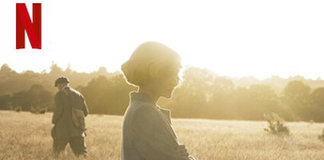
A few weeks ago, I even saw the great — “The Dig,” a recent offering from Netflix, from the John Preston novel of the same name, a re-working of the historic 1939 excavation of Sutton Hoo in Suffolk, England. Favoring quiet and substance over the noise and bombast of today’s ubiquitous blockbusters, “The Dig” contemplates the past and our place in history.
In 1939 England, landowner Edith Pretty (Carey Mulligan) hires the self-taught excavator Basil Brown (Ralph Fiennes) to uncover the large burial mounds on her Sutton Hoo property. As Basil works, he and others with him discover a seventh century Anglo-Saxon ship, among other artifacts on the burial site.
The past these characters uncover runs up to meet them in the present, as an ominous future approaches: World War II.
In these tense moments of discovery and dread, doubt afflicts Basil and Edith.
Basil believes in his skill, his calling — “I do it because I’m good at it,” he explains to his wife May (Monica Dolan), even as he expresses his misgivings with working with Edith.
May sensibly guides him back to the project: “You always told me your work isn’t about the past or the present. It’s for the future, so that the next generations can know where they came from. The line that joins them to their forebears. Something that’ll last longer than whatever … war we’re heading into.”
Edith, in worsening health during the excavation, reflects on mortality with Basil.
“We die and decay,” she tells him. “We don’t live on.”
“I’m not sure I agree,” he answers. “We’re part of something continuous. So we … don’t really die.”
As well, Edith wonders whether they should be upsetting the mounds. “It’s someone’s graves,” she says.
Basil replies, “No, that’s life what’s revealed — that’s why we dig.”
After the credits rolled, the connection this film has with the Catholic faith, the pandemic and the Bible was seemed clear to me.
I reflected on those lost in this pandemic. I’ve thought about my loved ones lost pre-pandemic, especially my grandparents who passed on their love of the Word of God and the Catholic faith to me.
I reflected on the Bible which I’ve only recently begun to dig into more deeply to learn — from the psalms and figures such as Abraham and Joseph — the ancient, but always still relavant, lessons it has for us.
Like Sutton Hoo, what one uncovers in the Good News will last longer than the troubles or suffering this world is going through now, or ever will.
“There is surely a future hope for you, and your hope will not be cut off” (Prv 23:18).
Bible study connects me to the past, to the present and to the future, as a missionary disciple explaining salvation history to family and friends.
To know the Bible is a vocation for all Catholics. It’s life revealed.
It’s why I dig.
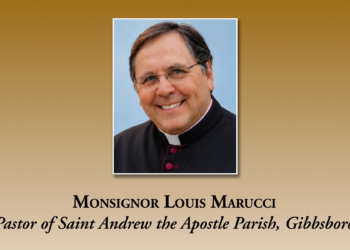
Peter G. Sánchez is staff writer and social media coordinator for the Catholic Star Herald.



 at the bottom and then tap “Add to Home Screen”
