







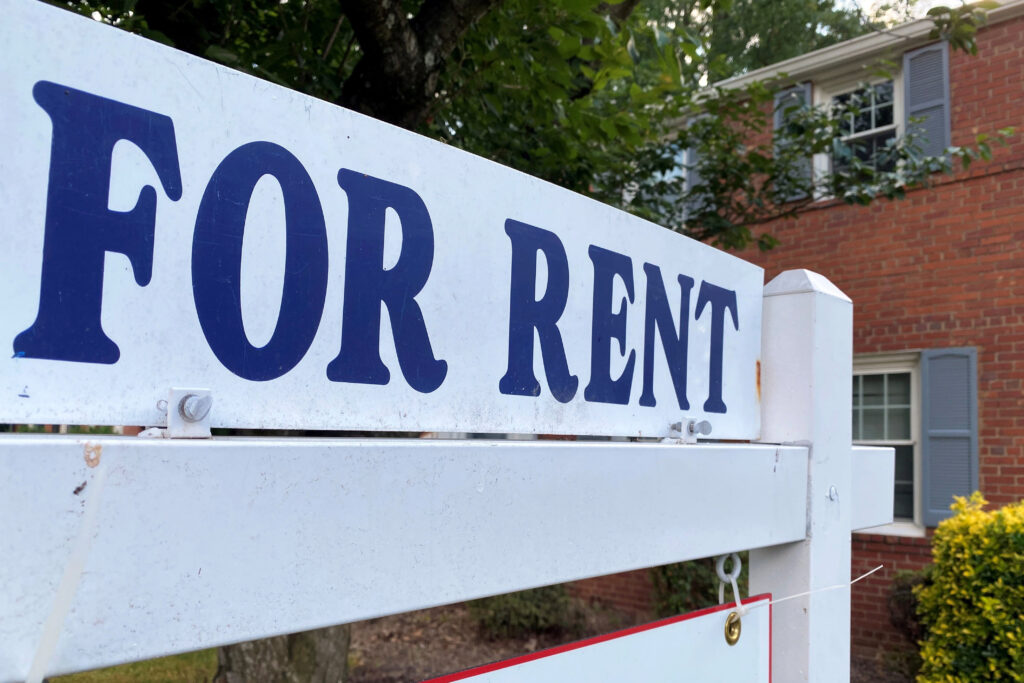
Catholic Charities of South Jersey staff are raising concerns about the increase in rental scams that their clients are experiencing. What they’re discovering is that many people are unaware of the tactics scammers are using in today’s digital age to take advantage of those who are in dire need of housing.
The agency is encouraging the South Jersey community to be vigilant, not just for themselves and their loved ones, but for those on the margins of the community.
Across the country, and particularly in New Jersey, there is an increased demand for housing and low incentive for landlords to keep rent low. As a result, families are currently being evicted at alarming rates and desperate to secure affordable housing, which has made many susceptible to rental scams.
“A fraudulent landlord recently requested that one of our clients send them a deposit. In exchange, they promised that they would mail him a key to a rental. The client never saw the property in person, but was so eager for an affordable apartment that he almost sent money,” said Aimee Brown, housing stability coordinator at Catholic Charities of South Jersey. However, it was later determined that the rental the client inquired about was actually nonexistent. Catholic Charities was able to intervene before the client sent any funds.
The Federal Trade Commission states that the goal of rental scams is to get the victim’s money before they discover the rental is nonexistent or not available. Rental scams can occur in a number of ways, but what Catholic Charities sees most often is that a scam’s first touchpoint tends to be from an online property listing that is unknowingly fraudulent, and typically, too good to be true.
For example, the listing could be offering a significantly lower-than-average monthly rent price for its market, plus is newly renovated. Potential renters should always inquire to see the property first to ensure the legitimacy of the photos, location and amenities, Catholic Charities staff said.
Often when the property listing is a scam, the supposed landlord will request a security deposit or large sum of money before showing the property. This is an immediate red flag and not to be confused with normal credit application costs, which are usually less than $70.
Other key indicators that a rental listing is a fraud: grammatical errors in the property listing description and the supposed landlord pressuring a person to sign a lease right away or waiving a credit check.
Statistics show that of households renting their homes in New Jersey, 25% are significantly low income. In addition, half of renters who are extremely low income in New Jersey are seniors or have a disability.
The National Low Income Coalition reports that New Jersey is now the seventh-most expensive state in the country for renters. The Housing and Community Development Network of New Jersey recently called for action to resolve New Jersey rent prices, which have increased from 20% to 40% this year.
“New Jersey renters are not ATMs for pandemic profiteering landlords,” said Staci Berger, president and chief executive officer of the Housing and Community Development Network of New Jersey.
If you or someone you know is in need of housing assistance, visit catholiccharitiessouthjersey.org.
Katie Hagan is marketing manager for Catholic Charities Diocese of Camden.
How You Can Help
Anyone can help those in their community avoid a rental scam. Some examples:
• Volunteer your time to search for scams. Visit rental websites to search for properties listed in your ZIP code. If there are properties listed in your neighborhood that don’t actually exist, houses listed that you know aren’t for rent or listings that seem suspicious, report them to the listing company.
• Support vulnerable families and individuals who are looking for their next home. Refer people in your community who you know are facing eviction or in need of a rental to Catholic Charities of South Jersey at catholiccharitiessouthjersey.org/housing.
• Offer to help community members vet the properties they want to apply to by checking for grammar errors in the listing, helping them look out for pushy landlords, alerting them to requests for large sums of money upfront, etc.
• Assist those with language barriers while they’re searching and applying. Many individuals in South Jersey experience language barriers, whether it be because English is a second language or they live with a disability. Either way, this can make those individuals susceptible to scams because they could miss the grammatical errors often seen in a scam listing.






 at the bottom and then tap “Add to Home Screen”
