








.
Whether it is through providing companionship to someone who lives alone, or as a member of a larger family, pets provide unconditional love to their owners and families.
But what would happen to that cherished dog, cat, bird, fish or other pet if their owner is injured, becomes ill or passes away?
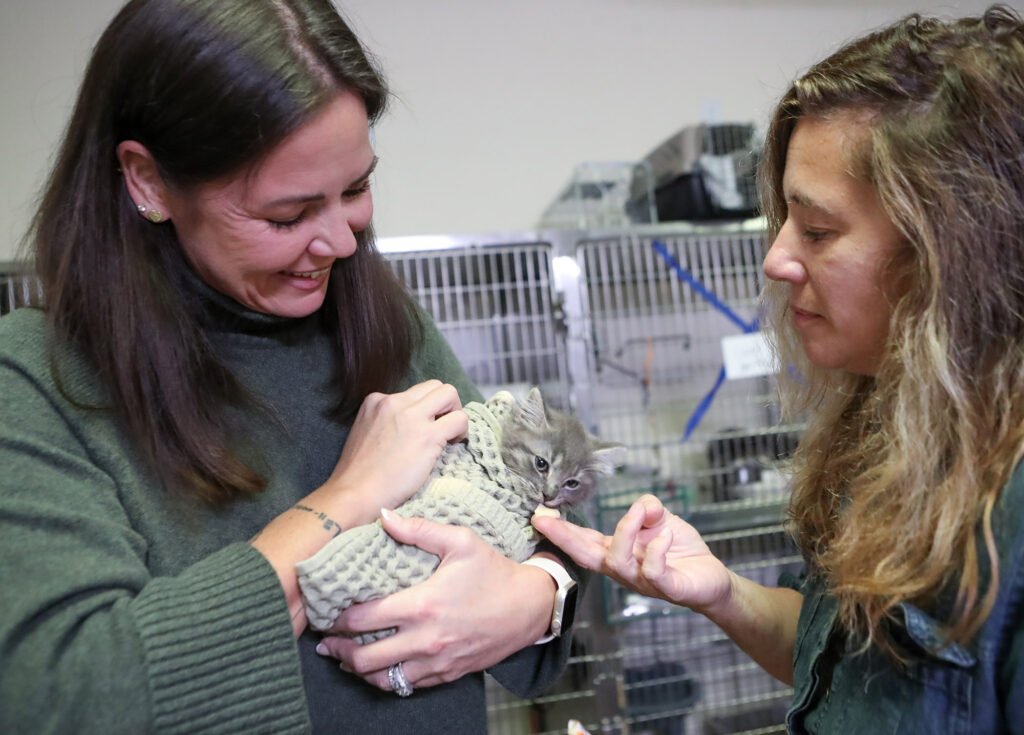
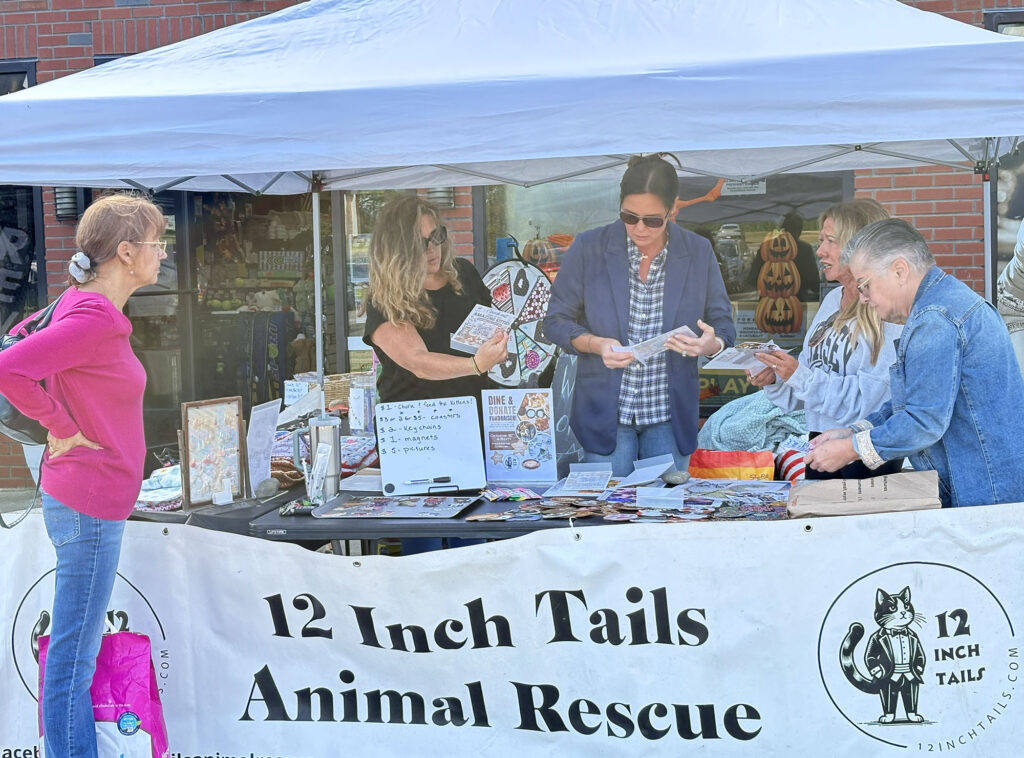
“Shelters are filled with people’s beloved pets right now because something happened to their owners and there was no plan in place,” said Tonya Mears, director of the Galloway-based 12 Inch Tails Animal Rescue. “These are animals who were loved and cared for, but suddenly found themselves without the person they depended on.”
Seeing situations like these happen on a regular basis, shelter workers and rescue volunteers like Mears, as well as home healthcare providers, urge pet parents to make sure they have an emergency plan in place for their pets – much like they would for another dependent.
“We really can’t preach enough about how important it is for people to have a plan in place for their pets,” Mears said. “Don’t simply assume that a trusted family member is automatically going to do the right thing. Unfortunately, we’re here to tell you that they do not always do the right thing.”
Sharon Smeltzer is a registered nurse who serves as a care coordinator with VITALity Catholic Healthcare Services Diocese of Camden. Her role includes assisting seniors and clients who are blind or have physical limitations as they seek to navigate healthcare needs to live safely in the community.
“Many of our clients have pets, however not many of them have a plan in place for the unexpected,” she said.
Smeltzer recommends that pet parents have someone in their inner circle – someone both they and their pet know and trust – to be available in the event of an emergency.
“This person should be aware of the pet’s habits, food preferences, allergies and if [they are] on any medications. This person should also have access to the home, whether having the door code or spare key,” she explained. “If you live alone, it is important to designate someone to be available to speak to your medical wishes on how you would like to be cared for, should you become incapacitated. In the same sense, you would want to have the same plan in place for your pet as far as having someone appointed to care for that pet when you are not able to.”
Andrea McManus is also a registered nurse and serves as VITALity’s director of parish nursing. She echoed Smeltzer’s encouragement for clients to have a plan in place for their pets.
“Our pets give us unconditional love and companionship throughout their lives. They depend on us to make sure they are safe and cared for, even when we can no longer be there to do it ourselves,” she said. “I would encourage everyone to have an emergency plan in place for their pets.”
McManus suggests starting with a family member, neighbor or even a fellow parishioner to help find someone who could step in to help if needed. While her team works to help find pet-friendly housing for seniors who have animals, she emphasized the importance of having emergency fosters or helpers in the community should a sudden crisis occur. She also noted the presence of pet food pantries and other organizations that are available to help support pet owners who are struggling to afford food or supplies for their companions.
Mears got involved in animal rescue after learning about how some shelters euthanize animals due to lack of space, and after she turned to social media for help rescuing a pregnant cat in 2022. She created an online wish list, and strangers came together to help provide what she needed for the pet.
“After that rescue, people began reaching out and asking if I could help with kittens and other animals,” she said. “12 Inch Tails animal rescue eventually grew out of those efforts.”
She suggests pet owners let trusted friends or neighbors know that they have pets and where they are located – and even consider wearing a tag or carrying a card with emergency information and details about any pets in the household.
“If something happens to you and you are found deceased or otherwise unable to communicate, first responders can know that there is an animal at home that is depending on you,” she said. “Hopefully, that information will lead them to reach out to local rescues or other resources to make sure the animal is safe.”
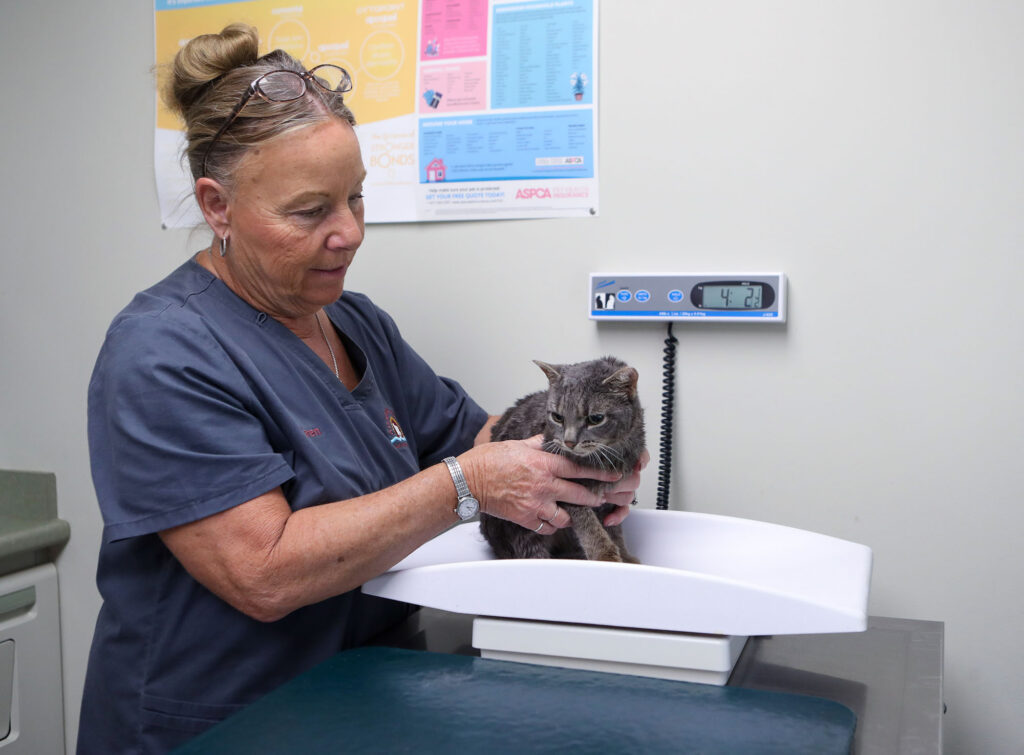
The American Society for the Prevention of Cruelty to Animals offers suggestions and a free planning packet to help create a plan for pets, which is accessible online at aspca.org/pet-care/pet-planning/making-plan-your-pet.
In addition to creating an emergency plan for pets, the ASPCA encourages owners to select caregivers – and to consider multiple caregivers if there are multiple pets in the household. The nonprofit also suggests that pet owners consider setting aside funding that could be used in an emergency to ensure their pet’s care, and even explore formal options like a pet trust or incorporating a plan for pets into a will.
Mears emphasized the importance of planning before an emergency takes place.
“I think the biggest thing is to be proactive. Have a plan for your pet before you need one,” she said. “Know who would care for them, make sure that person knows about your pets, and make sure important information and wishes are documented somewhere that can be easily found. Our animals completely depend on us, so planning for their care should be part of being a responsible pet owner.”





 at the bottom and then tap “Add to Home Screen”

