






On Easter Sunday, while those in the Roman Catholic faith emerged from the desert of Lent, Father Michael Romano and a handful of seminarians willingly entered back into arid territory.
Yet as they stepped foot on the dry lands of Ethiopia, they were met with an undercurrent of Lent: hope.
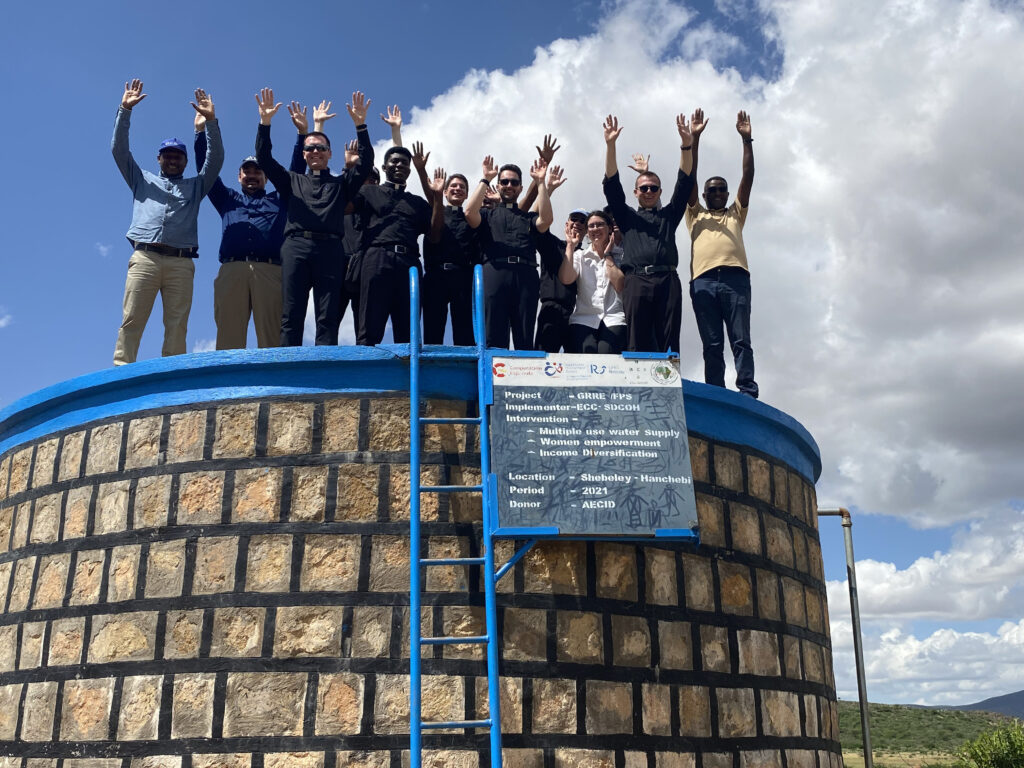
Father Romano, coordinator of admissions at the Pontifical North American College in Rome, and five seminarians from the institution spent the week after Easter in Ethiopia with Catholic Relief Services, seeing their charitable works firsthand and experiencing the perseverance and hospitality of the country’s people.
“Catholic Relief Services has had this trip for years for seminarians to learn about their work, so that once the men are ordained to the priesthood, they can go and talk about CRS and their experiences in their parishes and dioceses,” Father Romano, former director of vocations for the Diocese of Camden, said in a recent episode of the Talking Catholic podcast.
He was joined on the podcast by Deacon Zane Langenbrunner, a seminarian from the Diocese of Fort Wayne-South Bend, Ind. Both recounted visiting CRS projects in Ethiopia and celebrating Holy Week for a second time. Orthodox Holy Week began the day after they arrived.
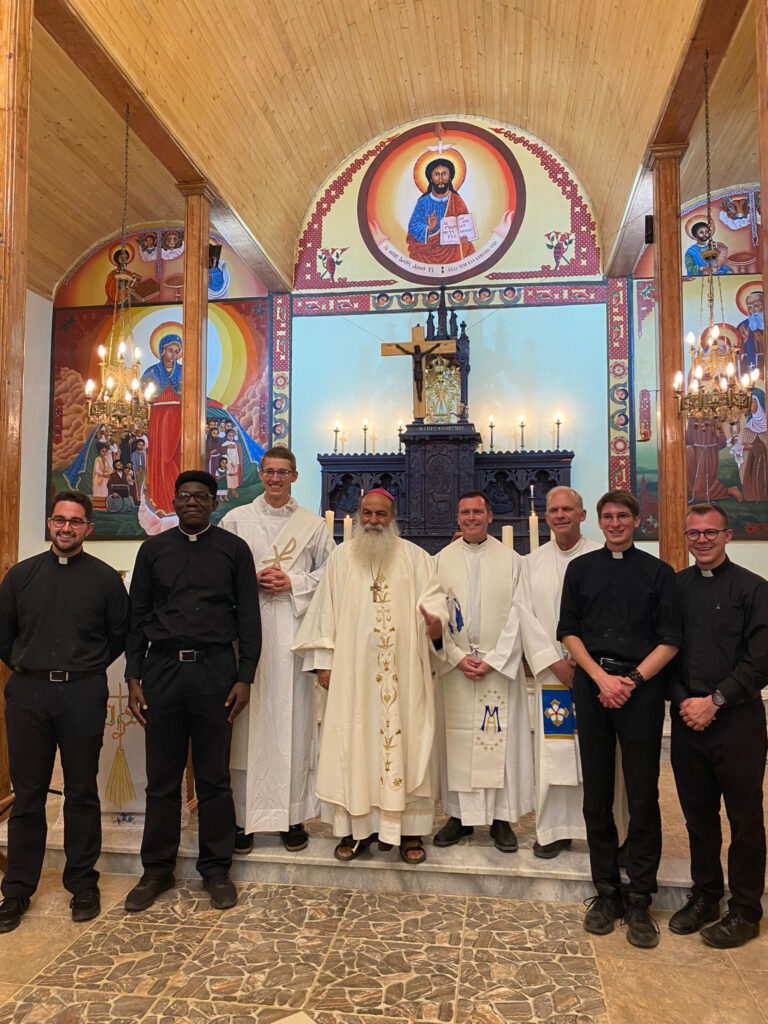
“It was amazing just how we were welcomed every single place that we went,” said Deacon Langenbrunner, adding that they were met at the airport by a group that included the bishop of Harar, an area of Ethiopia where most of the CRS projects the men visited were located. “They were just so happy to welcome [us]. It wasn’t long before I really felt at home among the people.”
During their visit, Father Romano and the seminarians traveled around remote areas of eastern Ethiopia, which has been suffering through a drought for three years.
“At that point, your livestock really begins to die, and that was the livelihood of most of the Somalis who were migrating throughout that section of Ethiopia,” Father Romano said.
CRS, partnering with those in the local community, has been working on irrigation projects – drilling wells and creating reservoirs.
“We were on these Range Rovers, driving down these dirt roads to places that you would never think that people would be living,” Father Romano said. “But here they were, these little communities that had been displaced because of the drought. … We would hear stories about how women would have to travel six to nine hours a day just to get to a local water source, and then bring that back home.”
“CRS is trying to provide water closer to home so that the women and children can live the lives that they should,” he continued, explaining that if closer to home, children could go to school and families could have a better existence until the drought comes to an end.
Deacon Langenbrunner explained that it took about two years, and $50,000, to construct a water system in one area they visited – a project utilizing solar panels that can deliver water to five different villages
“CRS knows who to partner with in order to make these kinds of life-changing projects happen,” he said. “It’s just amazing to see the type of transformation that can happen when they [the communities] have the support and resources that they need.”
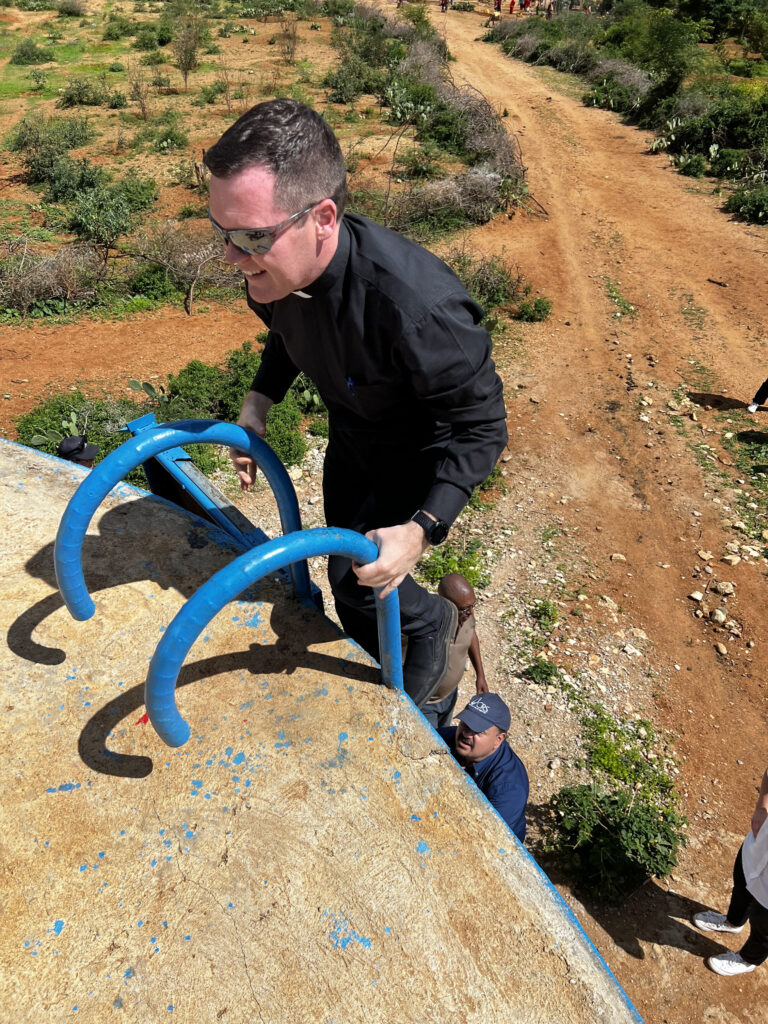
Both men praised Catholic Relief Services and its longstanding practice of equipping local communities and empowering them to manage their own livelihood.
They both also said witnessing such projects only reinforces the importance of CRS’s annual Rice Bowl campaign. Adopted by the U.S. Conference of Catholic Bishops in 1976, Operation Rice Bowl has supported more than 190 million hungry and malnourished people across 100-plus countries throughout its history.
“I’m never going to be able to go through a season of Lent and start a Rice Bowl in my parish without thinking about this trip to Ethiopia,” said Deacon Langenbrunner, who is set to be ordained in early June. “The things that I saw there, it’s going to affect my entire priesthood.”
Listen online
Hear the full Talking Catholic podcast with Father Romano and Deacon Langenbrunner at talking.catholicstarherald.org.






 at the bottom and then tap “Add to Home Screen”
