





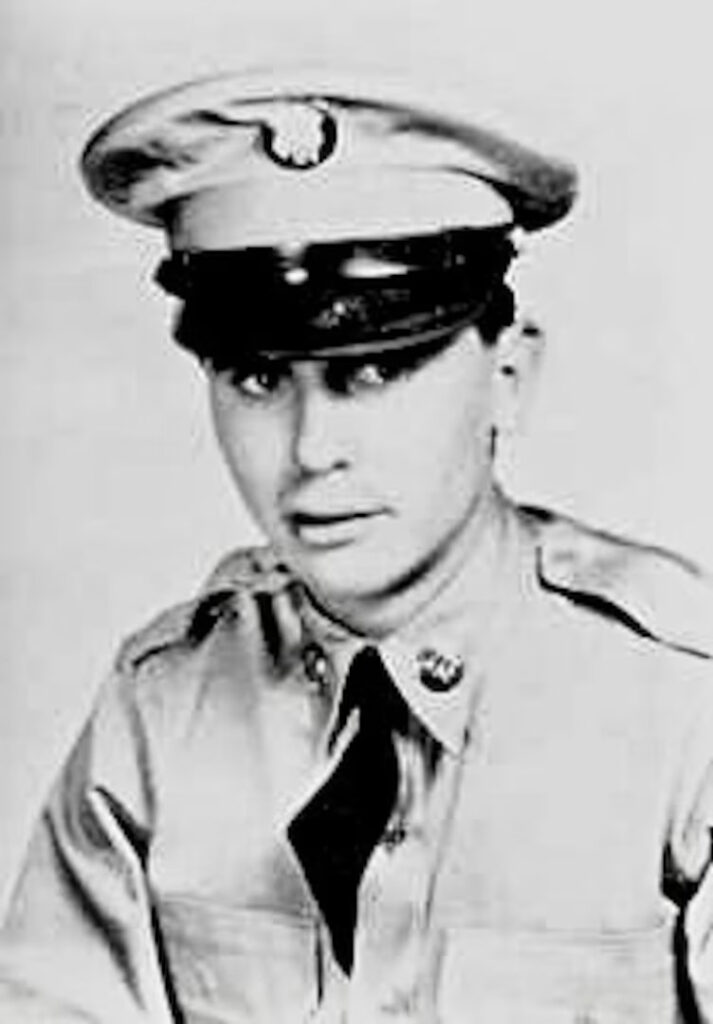
U.S. Army Private First Class Harry J. Hartmann Jr., 19, was reported missing in action in North Korea on Nov. 2, 1950, and died the following year.
In June, more than 70 years later, the Mays Landing native’s remains were finally returned home.
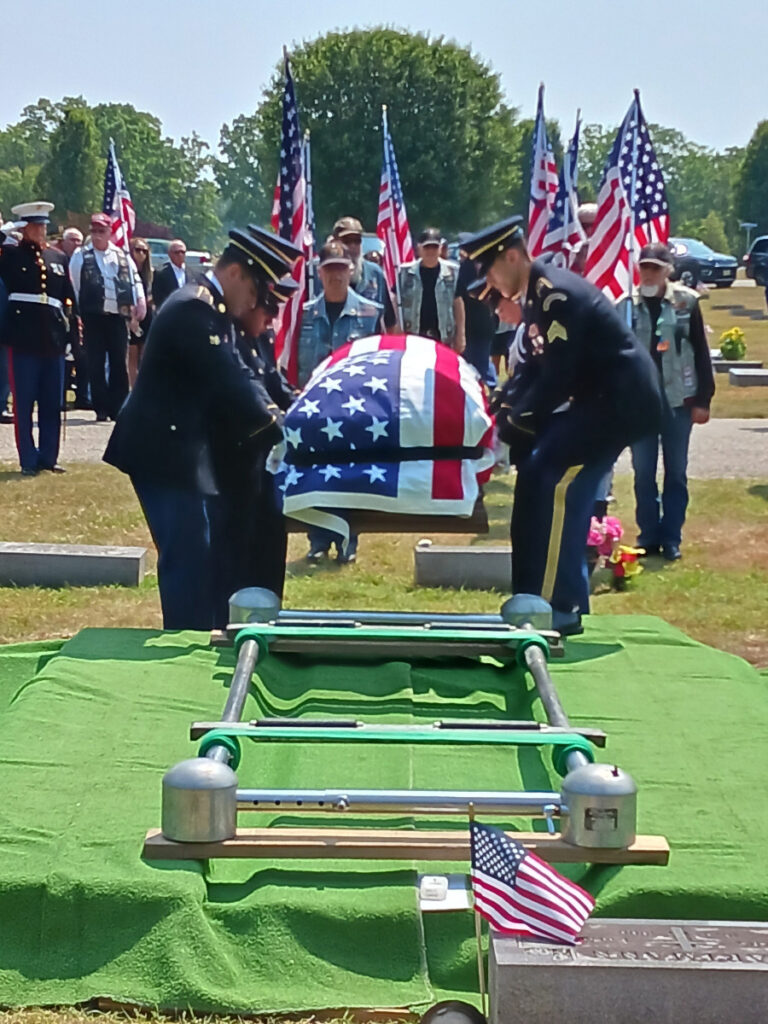
Pfc. Hartmann was laid to rest in Holy Cross Cemetery and Mausoleum, Mays Landing, the same site where his parents – Emma and Harry – are buried. Before her death in 2000, Hartmann’s mother requested that her son’s remains – if they were ever found – be interred at Holy Cross with his parents.
“We are honored after all of the time that has passed to be able to lay U.S. Army Pfc. Harry J. Hartmann Jr. to rest with his parents,” said Debra Moore, assistant director for cemetery marketing and outreach for the Diocese of Camden’s South Jersey Catholic Cemeteries, which oversees Holy Cross. “We value our veterans’ service very deeply.”
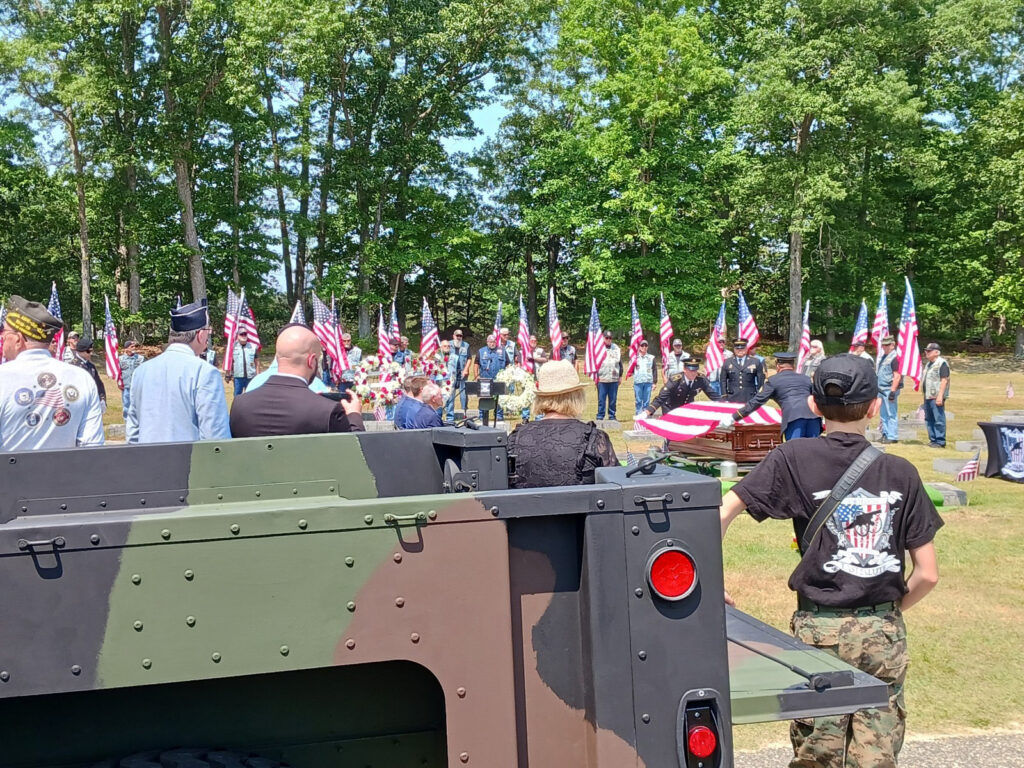
On June 10, Hartmann’s homecoming included a procession through town, with his casket transported in a Humvee. Members of the Boy Scouts of America distributed American flags to those gathered along the procession route, which also included a large flag suspended from a truck from the Mays Landing Fire Company. Boakes Funeral Home donated services to help organize his homecoming.
“All of us here at Holy Cross Cemetery were happy to be a part of seeing Harry Hartmann, after so many years missing, finally back home, laid to rest peacefully with his parents, with the respect that he deserves,” said Mary Ellen Henry, the cemetery’s office manager.
Army Brig. Gen. Doug Satterfield gave remarks at the service; members of Last Salute – a volunteer military funeral honor guard – fired two cannons. There was also a 21-gun salute.
U.S. Army Chaplain Gi Eun Lee presided over the service; she was joined by her husband and 7-year-old son. The chaplain, who moved to the United States from South Korea eight years ago, said she was honored to help remember the ultimate sacrifice made by Hartmann, who helped protect her home country from falling to communism and made her emigration possible.
Tony Entrekin, a field worker at Holy Cross, shared that the service made him proud to be an American. He said that it was moving to see how, after seven decades, there were still efforts to bring service members like Hartmann back home.
According to Moore, Hartmann is the first known POW to have been returned home and laid to rest in one of the cemeteries managed by the Diocese of Camden.
In fall 1950, Hartmann was deployed as a member of the E Company, 2nd Battalion, 8th Cavalry Regiment, 1st Cavalry Division. On Nov. 1, his unit was attacked by Chinese Communist Forces near Unsan, North Korea, and he was captured. Hartmann was taken to Prisoner of War Camp 5 in Pyoktong, and reportedly died in March 1951.
In 1954, Operation GLORY saw 495 sets of remains from burial grounds near Camp 5 returned to the United Nations Command, and all but 38 sets of remains were identified. The unidentified remains were interred in the National Memorial Cemetery of the Pacific in Honolulu, Hawaii, in 1956.
In September 2019, a project led by the Defense POW/MIA Accounting Agency (DPAA) saw those unidentified remains disinterred from the cemetery and transferred to the DPAA Laboratory at Joint Base Pearl Harbor-Hickam, Hawaii, for further analysis. Dental and anthropological analyses were able to assist scientists with identifying remains in July 2022 as belonging to Hartmann.






 at the bottom and then tap “Add to Home Screen”
