




As the church officially marked the end of the Christmas season on Jan. 11’s feast of the Baptism of the Lord, the Romans are this week packing up the presepi (nativity scenes) and figurines of La Befana (a curious Italian witch who brings gifts to children on the feast of the Epiphany). It’s the perfect time to reflect on what a memorable season it has been in the eternal city.
Three events particularly stand out for me. The first was the pope’s traditional Christmas address to the curia on Dec. 23. By now most people with any interest in these affairs have heard that he listed a number of spiritual maladies that he saw as infecting the church and called for an examination of conscience in their wake. Cardinal Gianfranco Ravasi, who was in the room, told John Allen (cruxnow.com) that it brought to mind Constantin Noica’s “Six Maladies of the Contemporary Spirit.” While many of the headlines around the world labeled the critique “scathing” and “blistering,” the text itself, while certainly critical, served to encourage everyone, the pope included, to reflect prayerfully upon one’s own shortcomings, not merely those of some shadowy and far-off “others” in positions of influence or power.
The official text includes a footnote with a prayer by St. Thomas More which Pope Francis said he prays every day. An English translation of its closing lines reads: “Grant me, O Lord, a sense of good humor. Allow me the grace to be able to take a joke, to discover in life a bit of joy, and to be able to share it with others.” Certainly not the words of a contemptuous and denigrating condemnation.
Second, attending La Vigilia — still commonly referred to as “Midnight Mass” at the Vatican though it now takes place at 9:30 p.m. on Christmas Eve — was, as one would imagine, an incredibly moving experience. It is estimated that almost a billion people watch the event worldwide. In a night filled with moments that remain with you, one highlight was certainly Israeli soprano Chen Reiss’s eight-minute performance of Mozart’s “Et Incarnatus Est.” Inserted as an operatic interlude in the midst of the creed when Christians “fall on their knees” to acknowledge that the Word became flesh and dwelt among us, the beautiful solo was a powerful moment, despite the fact there are no kneelers on the stone floors of St. Peter’s!
And lastly, on Jan. 4, Francis announced the names of 20 new cardinals who will receive the red hat at the next consistory, Feb 14-15. The choices were noteworthy in various ways: no Americans, only one curial official, many having reputations as unsung “pastors of souls,” a few hailing from far-flung corners of the world which have never had cardinals. For instance, my Buddhist monk friend here in Rome is thrilled that his native country of Myanmar will now have a vote in the next conclave, and the concomitant platform from which to address issues like interreligious violence in his home country. It’s just one of so many ways in which Pope Francis continues to leave his mark on the universal church.
I will add on a personal note that sincere prayers have been offered this Christmas season here in the city of Peter’s and Paul’s martyrdom remembering Bishop Sullivan, the Star Herald staff, and the entire Diocese of Camden and hoping that the Prince of Peace will continue to shower blessings and un buon anno to each of you in 2015.
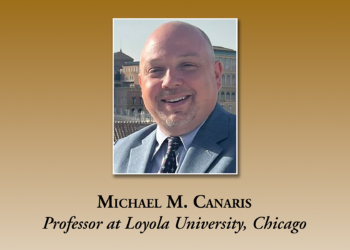
Collingswood native Michael M. Canaris, Ph.D., Pontifical University of St. Thomas (Angelicum), Rome.



 at the bottom and then tap “Add to Home Screen”