




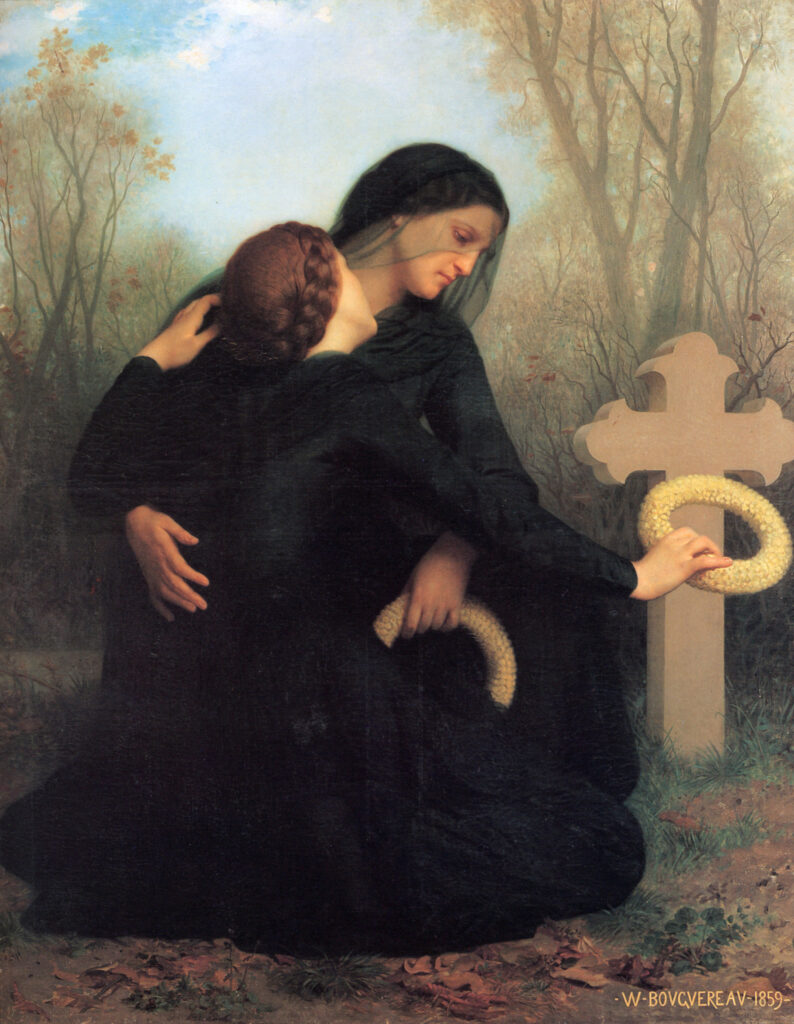
Editor’s Note: In the Catholic Church, November is traditionally dedicated to the holy souls in purgatory and remembering those who have left this earthly plane. Throughout November, which begins with All Saints’ Day and All Souls’ Day, the Catholic Star Herald will be featuring articles related to this Month of Remembrance and how “death is not the end, but rather the door through which we must pass to gain eternal life.”
All Saints’ Day and All Souls’ Day are significant religious observances in the Catholic Church, as well as in many other Christian traditions. These days hold deep theological and cultural importance, serving as reminders of the Christian beliefs concerning the afterlife and the communion of saints.
All Saints’ Day, celebrated on Nov. 1, is a solemnity that commemorates all the saints, known and unknown, who have attained heaven. The roots of this observance can be traced back to the early Christian Church, when Christians honored the martyrs who had given their lives for their faith. Over time, the recognition of saints expanded to include not only martyrs, but also members of the faithful who had lived exemplary lives of holiness and virtue. All Saints’ Day is a celebration of the triumph of good over evil, of faith over doubt and of grace over sin. It reminds us of the countless men and women who, throughout history, have lived their lives in accordance with the teachings of Jesus Christ and are believed to be in the presence of God.
The observance of All Souls’ Day, which follows on Nov. 2, is equally significant. All Souls’ Day is a day of prayer and remembrance for all the faithful departed, especially those in purgatory. According to Catholic belief, purgatory is a temporary state of purification where souls undergo cleansing before they enter heaven. It is believed that by our prayers and penances, the souls in purgatory can be aided in their journey toward eternal life with God. All Souls’ Day is a time for Catholics to pray for their deceased loved ones, asking God to grant them mercy, forgiveness and eternal rest. It emphasizes the interconnectedness of the Church, both the living and the dead, through the Mystical Body of Christ.
The observance of these days also highlights the Catholic belief in the communion of saints, a concept that underscores the spiritual solidarity among all Christians, both living and dead, in Christ Jesus. This communion leads to an exchange of spiritual goods. (cf. Lumen gentium, 49) The saints in heaven, through their intercession, help those on earth by praying for them and guiding them on their spiritual journeys; the faithful on earth pray for those in purgatory, so that they may pass swiftly into heaven, where they will then pray for those on earth. All Saints’ Day and All Souls’ Day, therefore, emphasize the enduring bond of charity, which unites the Church Triumphant (the saints in heaven), the Church Suffering (the souls in purgatory) and the Church Militant (the faithful on earth).
Beyond their theological significance, these observances also serve as a source of comfort and hope for Catholics. In the face of the inevitability of death, these days remind believers that life is changed, not ended, (Mass for the dead, Preface I) with physical death. Rather, the faithful departed continue to be, hopefully on their way, if not already in the presence of God. These days provide solace to those mourning the loss of their loved ones, assuring them that their prayers and remembrance will have a positive impact on the souls of the departed.
The cultural and social dimensions of All Saints’ Day and All Souls’ Day bring communities together in shared rituals and prayers, fostering a sense of unity and belonging among believers. These observances encourage acts of charity, as Catholics are called to remember not only their own deceased family members and friends, but also those who have no one to pray for them. Through acts of kindness and remembrance, believers are inspired to embody the examples of love and compassion exemplified by the saints.
The observance of All Saints’ Day and All Souls’ Day in the Catholic tradition is a testament to the richness of Christian theology, the importance of intercessory prayer, and the enduring hope in the face of mortality. These days serve as a reminder of the divine promise of eternal life, the power of prayer, and the communion of the living and the faithful departed within the Mystical Body of Christ. Through these observances, Catholics find spiritual solace, communal unity and a renewed sense of purpose in their journey toward eternal life.
Prayers After Death
“The Christian meaning of death is revealed in the light of the Paschal Mystery of the Death and Resurrection of Christ in whom resides our only hope. The Christian who dies in Christ Jesus is ‘away from the body and at home with the Lord’ (2 Cor 5:8).” ~ Catechism of the Catholic Church, no. 1681
Prayer for the Dead
In your hands, O Lord, we humbly entrust our brothers and sisters.
In this life you embraced them with your tender love; deliver them now from every evil and bid them eternal rest.
The old order has passed away: welcome them into paradise, where there will be no sorrow, no weeping or pain, but fullness of peace and joy with your Son and the Holy Spirit forever and ever.
Amen.
Prayer for Souls in Purgatory
O Lord God Almighty,
I pray Thee, by the Precious Blood which Thy Divine Son Jesus shed in the garden, deliver the souls in purgatory, and especially that soul amongst them all who is most destitute of spiritual aid; and vouchsafe to bring it to Thy glory, there to praise and bless Thee forever.
Amen.
Prayers for Mourners
Lord God,
You are attentive to the voice of our pleading. Let us find in your Son comfort in our sadness, certainty in our doubt, and courage to live through this hour.
Make our faith strong through Christ our Lord.
Amen
May the love of God and the peace of the Lord Jesus Christ bless and console us and gently wipe every tear from our eyes. In the name of the Father, And of the Son, and of the Holy Spirit.
Amen.
Source: United States Conference of Catholic Bishops





 at the bottom and then tap “Add to Home Screen”
