





There are plenty of things to boast about when it comes to the success of students in our Catholic schools here in the Diocese of Camden. We strive every day to fulfill our mission “to educate and inspire young minds spiritually, academically and in service to others.” Traditionally, students in Catholic schools excel on standardized tests, receive scholarships to universities around the country, and are formed in the Catholic faith to serve Christ.
Regardless of our successes and fulfilling our mission, we are always striving to improve. Recently, we have noticed a trend in our students’ reading scores on our standardized assessment. Even though our student reading scores are above average, we noticed that as our students get older, particularly middle and high school students, they have more difficulty with lengthy reading, reading non-fiction and reading informational texts. This trend in literacy scores is occurring across the nation. This information may come as no surprise to you, as kids are growing up in a world where social media and texting forces them to read and write short phrases.
When I shared this data trend with our school principals and teachers, it was of no surprise. Our teachers and administrators have seen a cultural shift in the past few years that includes a disinterest among students in reading. Upon learning this information, we acted quickly to better understand the challenges with student literacy.

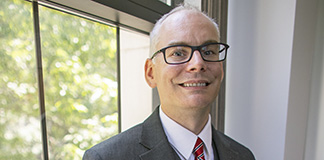
We engaged with Dr. Gene Kerns, who has been the chief academic officer and vice president at Renaissance Learning since 2005. Prior to his work at Renaissance Learning, Dr. Kerns was a high school English teacher for decades. Dr. Kerns wrote a book on student literacy, and he travels the country educating school administrators and teachers about the science of reading and literacy. Our Catholic school principals, along with an English language arts teacher from each school, had the opportunity to attend Dr. Kerns’ presentation on the science of reading and literacy in October 2023.
Dr. Kerns shared that for decades, there have been disagreements on how to best teach children to read, which we refer to as the reading wars. The term “science of reading” refers to decades of evidence-based research in effective strategies for teaching children to read. In practice, this science calls for schools to focus on the building blocks of words, also known as phonics, and relies on helping students decode the words on the page by understanding the sounds that letters make.
Dr. Kerns’ presentation was very well received by our principals and teachers. In fact, the teachers and principals immediately requested that Dr. Kerns present on this topic to all teachers in the Diocese. I’m pleased to report that on March 18, 450 teachers from the 25 Catholic elementary schools in the Diocese will gather at Camden Catholic High School in Cherry Hill to hear Dr. Kerns present on the science of reading. This is a rare but blessed opportunity for all our elementary school teachers to be gathered together.
After hearing from Dr. Kerns, teachers will gather by grade level to discuss best practices and success stories of teaching children to read. We will also examine how we are teaching students to read and evaluate our resources. These are the first steps of many as we work to develop a strategic plan to improve the long-form literacy skills of all students. We will focus on providing teachers with strategies and resources to help our students become the best readers they can be. All students, no matter their age, learn differently, and we will work tirelessly to find and use methods to help each student thrive.
Dr. Robert Lockwood is assistant superintendent for curriculum and assessment for South Jersey Catholic Schools in the Diocese of Camden.



 at the bottom and then tap “Add to Home Screen”
