





The first paying job for any individual is a big life step. It introduces one to spending cash – great for fast food, comic books and pro wrestling tickets.
The first job also engenders a sense of responsibility, duty. Collared work shirts replace alcohol-branded tank tops. No more late nights, because you have to clock in at 7 a.m. (Or, if you do stay in Ocean City until 5 a.m., grab some caffeinated cola before your shift.)
At least, that’s how I viewed things at my first job during high school at a local supermarket in the summer. The first few months I spent there was as a “cart jockey,” one of those people who corral shopping carts from the parking lot and return them to the front of the store. Other responsibilities included helping customers put groceries in their vehicles; upkeep of the front of the store, hosing down the concrete walkways as needed and watering the hanging flowers.
It was this last bit that prepared me for my unexpected move to the inside of the store a few months later, as a floral assistant in the flower shop, right next to the produce department.
The shift was felt immediately, mostly in my nose. The sweat-stained odor of my fellow cart jockeys was replaced by the fragrance of roses, hyacinths and gardenias.
I was Seymour in “Little Shop of Horrors,” albeit without a carnivorous plant with the voice of one of the Four Tops.
Working with the floral manager, I cut and watered plants. I put together floral arrangements. I swept the floors. Every so often, a customer would ask for a custom-made fruit basket filled with cheese, shortbread cookies and fresh produce such as apples, oranges and pears.
Personally picking the produce, I had a discerning eye and hand. No brown spots. No mushiness. The fruit had to be flawless, for its special mission to bring sweetness and joy to its recipient.
Thank God that the Lord doesn’t feel that way when he’s calling us to build the Kingdom of God.
Throughout Salvation History, it’s been clear that God’s chosen are far from perfect.
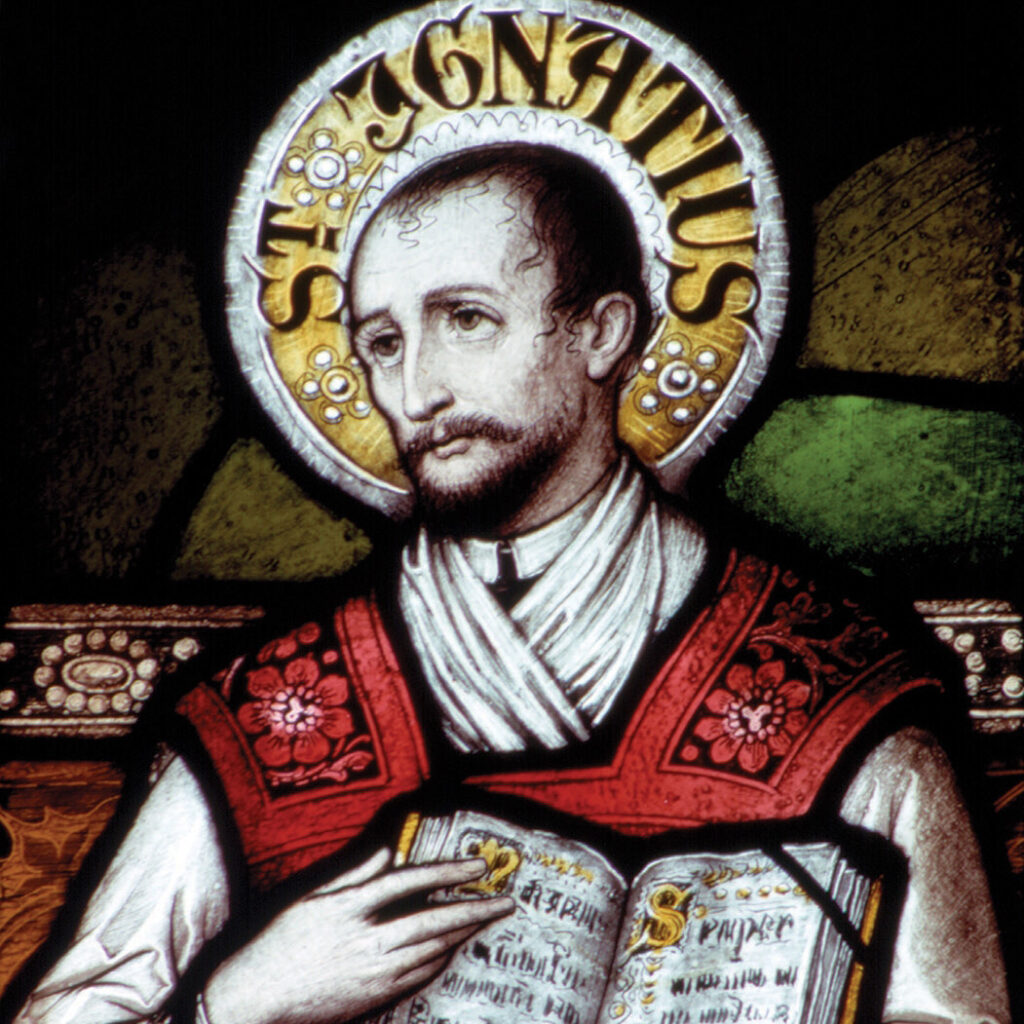
Inigo Lopez de Loyola was a vain 15th century Spanish Basque soldier given to the delights of this earthly realm when, after his leg was shattered by a cannonball in battle and surgeons reset it, demanded that doctors perform the surgery again because he didn’t like the way his leg looked.
Today, this man – Saint Ignatius of Loyola – is well-known and revered for his missionary work, his spiritual direction and founding the Society of Jesus.
The early life of Saul of Tarsus had him admittedly “persecute … the Church of God beyond measure … to destroy it.” (Galatians 1:13)
Today, we know him as Saint Paul, tireless missionary and founder of early Christian communities.
Through their pride and hatred, the Lord poured his grace on them. For the former, its vessel was books on the saints. For the latter, it was a vision of the Lord himself.
These two are great examples that God doesn’t call those ready for the mission, but readies those he calls. Our seeming weaknesses and insecurities don’t disqualify us for this centuries-spanning challenge to spread the Gospel.
Saint Paul understood this: “But he said to me, ‘My grace is sufficient for you, for power is made perfect in weakness.’ I will rather boast most gladly of my weaknesses, in order that the power of Christ may dwell with me … for when I am weak, then I am strong.” (2 Corinthians: 9-10)
So did Saint Teresa of Calcutta, who has been quoted as saying, “Not all of us can do great things. But we can do small things with great love.”
In providing space in our minds and hearts for the voice of truth – God – we understand his invitation to gaze at things above. When we turn to Jesus – showing him our physical and emotional scars to prove that we are not fit for the fight – he shows us his own, examples of his unfailing love for us.
Leave the carts behind, come follow him.
Peter G. Sánchez is the staff writer for the Catholic Star Herald and co-host of the “Talking Saints” podcast.



 at the bottom and then tap “Add to Home Screen”
